


Your Doodle hunched over, heaving for the third time this morning. The carpet already took one hit. Your mind jumps straight to worst-case scenarios, and you’re standing in the kitchen wondering what’s actually safe to feed a dog whose stomach has clearly declared mutiny. Here’s the direct answer: scrambled eggs for dogs with diarrhea are one of the safest, vet-approved bland diet options you can offer right now, as long as they’re cooked completely plain with zero butter, oil, salt, or seasoning.
That’s the short version. But knowing why eggs work, how to cook them correctly, and when a bland meal isn’t enough anymore matters just as much as the recipe itself. Doodle breeds in particular, with their sensitive guts and tendency toward food reactivity, need owners who know the difference between “give it 24 hours” and “get to the vet now.” Let’s get into both.
“My Dog Won’t Stop Vomiting, What Can I Feed Them?”
Panic is normal here. Nobody feels calm watching their Goldendoodle refuse breakfast and then throw up water on an empty stomach.
Take a breath. In most mild GI upset cases, a short fast (for adult dogs only, never puppies) followed by a bland diet gives the gut a chance to settle. Scrambled eggs for dogs with diarrhea work well here because they’re gentle, low in fiber, and easy to digest compared to your dog’s regular kibble.
This isn’t a cure-all. It’s a bridge. A bland meal buys time while you watch for improvement, and it gives an inflamed gut something soft to work with instead of fighting through fat, fiber, and additives.
Think of a bland diet like a reset button, not a magic fix. If your dog’s gut doesn’t respond within a day or two, that’s your body language cue to call the vet, not to keep experimenting with recipes.
Why Eggs? The Science Behind the Bland Diet Recipe
There’s actual science behind why vets reach for eggs instead of, say, a hamburger patty. Veterinary gastroenterologists at Cornell’s Riney Canine Health Center have long recommended bland combinations like boiled chicken and rice, or plain eggs, specifically because they reduce the digestive workload on an irritated gut.
Eggs bring something special to the table nutritionally. Protein quality studies referenced by AAFCO put egg digestibility north of 90 percent, which is about as high as whole-food protein gets. That means your dog’s body spends less energy breaking it down and more energy actually absorbing nutrients, instead of pushing a half-digested mess through an already angry intestinal tract.

Eggs are also naturally low in the kind of fat that can aggravate pancreatitis-prone dogs. If your Doodle has a history of pancreas issues, you’ll want to read more on how vets recommend eggs for dogs with pancreatitis before assuming this recipe is a blanket fix. Fat content matters, and the way you cook the eggs changes everything.
No butter. No oil. No cheese melted in because it “makes dogs happy.” Plain, dry-cooked eggs are the entire point.
The Step-by-Step Bland Diet Scrambled Egg Recipe
Here’s exactly how to do this without guessing.
- Crack one or two eggs into a bowl, depending on your dog’s size. A toy or mini Doodle under 15 pounds gets one egg max per meal. A standard Goldendoodle or Bernedoodle can handle two.
- Whisk briefly with a fork. No milk, no cream. Just egg.
- Heat a nonstick pan on low. Skip the butter entirely, even a small pat. Dry-cooking in a quality nonstick skillet keeps things fat-free.
- Pour the eggs in and stir constantly with a spatula. Low heat prevents rubbery curds and keeps things soft on a sensitive stomach.
- Cook until just set. Slightly underdone is better than dry and crumbly for digestion purposes, but make sure there’s no runny raw egg left (salmonella risk is real for dogs too).
- Let it cool to room temperature before serving. Nobody wants a scalded tongue added to the list of problems.
Portion by weight as a rough guide: a 10-pound Doodle mix gets about two tablespoons per meal, a 30-pound dog gets a quarter cup, and a 60-plus pound standard Doodle can handle up to half a cup. Split this into small meals every four to six hours rather than one big plate. Small, frequent portions are far gentler on a gut that’s already inflamed.
If your dog tolerates eggs alone for a day, you can blend in plain boiled white rice at a one-to-one ratio for the next meal. This mirrors the same bland diet logic used for dogs with chronically sensitive stomachs, just in a short-term, homemade format.
Once your dog is back on solid ground and you’re thinking longer-term about meal prep routines for yourself too, a resource like the The Dr. Whalen’s Diet Cookbook: 150+ High-Protein GLP-1 Recipes is worth a look if you’re also trying to clean up your own high-protein cooking habits while you’re already in the kitchen prepping bland meals for your dog. I picked up a copy mostly out of curiosity, and the page layout is clean, no cluttered side-margins packed with ads, which matters when your hands are greasy and you’re trying to flip to a recipe one-handed. The binding lies flat on a counter without needing a book stand, a small detail that saved me from propping it against a cereal box like I usually do.

Comparison: Bland Diet Ingredients at a Glance
| Bland Ingredient | Digestibility | Fat Content | Best Use Case | Price Tier |
|---|---|---|---|---|
| Plain Scrambled Eggs | Very High (90%+) | Low (if dry-cooked) | First-line bland meal for diarrhea/vomiting | $ |
| Boiled White Rice | High | Minimal | Added once eggs are tolerated well | $ |
| Boiled Boneless Chicken Breast | High | Low (skinless) | Alternate protein if egg-sensitive | $$ |
| Plain Canned Pumpkin | High (fiber-based) | Minimal | Firming stool during recovery | $$ |
| Prescription GI Diet (Vet-Dispensed) | Very High | Varies | Recurrent or chronic GI flare-ups | $$$$ |
Checklist: Signs Your Dog Needs the Vet, Not Just Eggs
A bland diet recipe is not a substitute for veterinary care when things look serious. The ASPCA and most emergency vet guidelines flag certain symptoms as non-negotiable reasons to call immediately.
- Vomiting that continues past 24 hours despite fasting and bland food
- Blood in the stool or vomit, whether bright red or looking like coffee grounds
- Lethargy where your Doodle won’t get up, won’t engage, barely lifts their head
- Visible abdominal pain, a hunched posture, or a tense belly when touched
- Repeated unproductive retching with a swollen abdomen (possible bloat, an emergency)
- Known ingestion of something toxic, a foreign object, or a plant you’re unsure about
- Puppies or senior dogs showing any GI symptoms, since dehydration hits them faster
If you check even one of these boxes, skip the home remedy phase entirely. Scrambled eggs for dogs with diarrhea are meant for mild, short-duration cases, not situations where something more serious might be brewing underneath.

Transitioning Back to Regular Food Safely
Once your dog’s stool firms up and the vomiting stops for a full 12 to 24 hours, it’s time to ease back toward normal food. Rushing this step is where a lot of owners accidentally restart the whole cycle.
Start by mixing a small amount of your dog’s regular kibble into the bland eggs and rice, maybe a quarter of the portion. Watch the next bowel movement closely.
If things stay stable, increase the regular food ratio by about 25 percent every meal or two over the following two to three days. By day four or five, most dogs are fully back on their normal diet without a hitch.
Here’s a simple progression that works for most Doodle mixes recovering from mild GI upset:
- Day 1: Plain scrambled eggs only, small frequent meals
- Day 2: Eggs plus boiled rice, same frequency
- Day 3: Three-quarters bland mix, one-quarter regular kibble
- Day 4: Half bland, half regular food
- Day 5: Mostly regular food, small bland portion as a buffer
- Day 6 onward: Back to full regular feeding schedule
If at any point the diarrhea returns during this transition, go back a full day in the schedule rather than pushing forward. Patience here beats speed, every time.
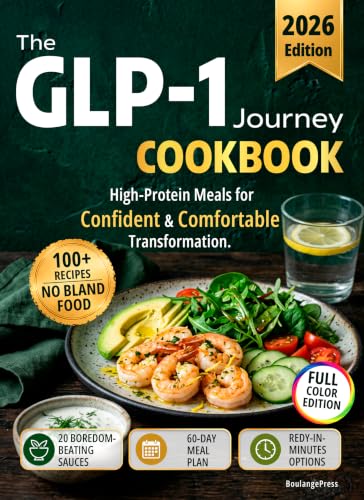
Keeping a small stash of high-protein, GI-friendly recipes on hand isn’t a bad idea for your own kitchen either, especially during stressful weeks when you’re cooking separately for a sick dog and still need to eat. The The GLP-1 Journey Cookbook: High-Protein Meals for Confident Living ended up being surprisingly handy for quick egg-based dishes I could make for myself while the dog’s bland meals were already taking up stove space. The recipe photos are large enough that you don’t need reading glasses squinting over a steaming pan, which sounds minor until you’re juggling two different cooking projects at once. My only gripe is the spiral binding feels a touch flimsy after a few months of kitchen use, nothing dramatic, just worth knowing upfront.
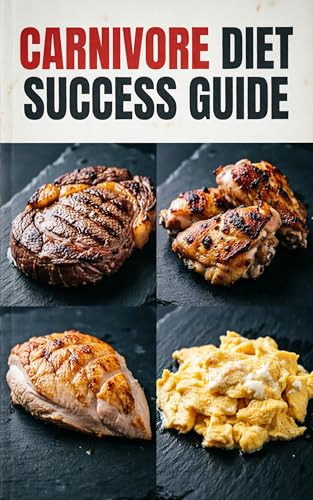
For owners who want to go deeper into high-protein meal structuring long term, especially if your Doodle has recurring sensitive stomach episodes tied to protein type or quality, the Carnivore Diet Success Guide: A Comprehensive High-Protein Guide gives a decent framework for thinking about protein sourcing, even though it’s written with human diets in mind. I found the chapter breakdowns genuinely useful for understanding digestibility concepts I ended up applying to how I rotate proteins for my own dog’s bland meals. Pages are matte, not glossy, so no annoying glare under kitchen lighting while you’re reading mid-recipe. The trade-off is it’s a denser read than a typical cookbook, so don’t expect quick skimming.
For broader background on canine nutrition standards and digestibility benchmarks referenced throughout this piece, the Wikipedia overview on dog food offers solid additional context on ingredient quality and standard feeding practices.
If your Doodle also tends to run small or has breed-specific sensitivities beyond the current flare-up, it’s worth bookmarking a resource like the small breed sensitive stomach feeding guide for long-term diet planning once this episode resolves.
Frequently Asked Questions
Can I add rice to scrambled eggs for dogs with diarrhea right away, or should I start with eggs alone?
Start with plain scrambled eggs alone for the first meal or two. If your dog keeps the eggs down and stool doesn’t worsen, add an equal portion of boiled white rice at the next feeding. Introducing both at once makes it harder to pinpoint which ingredient your dog’s gut is actually tolerating.
My Doodle ate the scrambled eggs but threw up again an hour later. What now?
One episode after eating isn’t automatically alarming, especially if your dog had been fasting beforehand. Wait two to three hours, offer a much smaller portion (a tablespoon or two), and watch closely. If vomiting repeats a second time or your dog seems increasingly weak, stop home treatment and call your vet, since this can signal something beyond simple GI upset.
How many days can I feed scrambled eggs for dogs with diarrhea before it becomes a nutrition problem?
Three to five days maximum. Eggs alone aren’t a complete, balanced diet long term, missing key nutrients your dog needs for sustained health. If symptoms haven’t resolved by day three, that’s already a sign to involve your vet rather than extending the bland diet further on your own.
Is it safe to feed scrambled eggs for dogs with diarrhea if my Doodle has a known egg allergy?
No, skip eggs entirely if there’s a confirmed or suspected allergy. Substitute plain boiled, skinless chicken breast or boiled lean ground turkey instead, both of which offer similarly high digestibility without the allergen risk. Always introduce a new bland protein in a small test portion first, even one you believe is safe.
A bland diet buys your dog comfort and time, but it isn’t a substitute for watching the warning signs closely. Keep the eggs plain, keep the portions small, and keep your vet’s number ready. That combination, more than any single recipe, is what actually keeps a rough GI day from turning into something worse.


