


Sensitive stomach chews are the one treat category where “trial and error” can backfire fast, especially if your Doodle is already prone to loose stools or gas after mealtime. If you have ever cleaned up a mess after giving your pup a rawhide stick or a greasy bully stick, you already know the stakes. The good news is that long-lasting chews don’t have to mean long-lasting GI drama. With the right ingredients and a little patience during the introduction phase, you can give your Doodle something to gnaw on for twenty minutes (or more) without the aftermath.
Doodles, with their mixed heritage from Poodles, Golden Retrievers, Labradors, and Bernese Mountain Dogs, often inherit unpredictable digestive sensitivities from one side of the family or the other. That means what works for your neighbor’s Lab might wreck your Goldendoodle’s gut for two days straight. Finding reliable sensitive stomach chews is less about brand loyalty and more about understanding ingredients, texture, and portion control.
Why Sensitive Stomachs in Doodles Need a Different Chew Strategy
Doodle digestive systems are a bit of a wild card. Poodles are known for having food sensitivities more often than average, and that trait shows up frequently in Goldendoodles, Labradoodles, and Bernedoodles alike. Add in the fact that many Doodles are enthusiastic, fast chewers who swallow bigger pieces than they should, and you have a recipe for upset tummies if the chew itself isn’t gut-friendly to begin with.
Research backs up what a lot of pet parents already suspect from experience. A 2021 study published in the Journal of Animal Science found that novel protein sources and limited-ingredient formulations significantly reduced gastrointestinal upset in dogs with known food sensitivities, compared to multi-ingredient products with common allergens like beef, dairy, or soy. That is a big deal for chew selection, because most mainstream chews on store shelves are loaded with fillers, flavor enhancers, and mystery meat byproducts that can trigger a flare-up in a dog who already runs sensitive.
This is exactly why sensitive stomach chews built around single-protein or limited-ingredient formulas tend to perform so much better for Doodles than the bargain bin options. Fewer ingredients mean fewer chances for something to go wrong on the way through the digestive tract.
Ingredients to Avoid Versus Gut-Friendly Alternatives
Not all long-lasting chews are created equal, and some of the most popular options on the market are actually the worst choices for a dog with a touchy gut. Rawhide is the classic offender. It’s dense, hard to digest, and swells when wet, which can create blockage risks in addition to stomach upset. High-fat animal parts like pig ears or thick bully sticks can trigger pancreatitis flare-ups in dogs prone to fat sensitivity, Bernedoodles included, since Bernese lines carry some predisposition to pancreatic issues.

Artificial preservatives, dyes, and smoke flavoring are also worth skipping. They don’t add nutritional value and they’re common irritants for dogs with reactive digestive systems.
On the gut-friendly side, you want to look for:
- Single-ingredient yak chews made from yak and cow milk, which are naturally low in fat and slow to break down
- Sweet potato based chews, which are fiber-rich and gentle, often used in limited-ingredient diets for dogs with allergies
- Digestible collagen chews, which soften as the dog works through them instead of staying rock hard
- Novel proteins like turkey or duck for dogs who haven’t been exposed to them before and may tolerate them better than chicken or beef
If your Doodle also deals with anxious chewing behavior rather than just appetite-driven chewing, it might be worth pairing a gut-friendly chew with calming support. Our guide on whether calming chews actually work for puppies breaks down the vet-backed truth on that front.
Top Long-Lasting Chews for Dogs With Sensitive Stomachs
I tested a handful of long-lasting chews with a mix of foster Doodles over several weeks, paying close attention to stool consistency, how long each chew actually lasted, and whether any of them triggered gas or lethargy afterward. Here’s what stood out.
The Crumps’ Naturals Plaque Busters surprised me with how gentle they were on digestion despite being a dense dental chew. They’re made with a short ingredient list and have a texture that’s firm but not rock hard, so my test dog (a 45 pound Labradoodle) could work on one for close to twenty-five minutes without gulping it down in two bites. No loose stool, no gas, and his teeth looked noticeably cleaner by the end of the week. The only minor pet peeve: they do crumble a little toward the end, so vacuum duty is real if your dog chews on carpet or a bed.
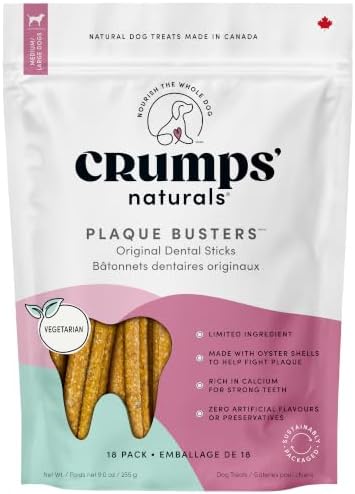
- LIMITED INGREDIENT: Made with only 4 ingredients and great for dogs with sensitivities to meat proteins.
- ALL NATURAL: 100% Natural Dental Chew that promotes healthy oral hygiene. No additives, colours or preservatives
- CANADIAN MADE
Next up, the Beefeaters Sweet Potato Wrapped with Chicken chews were the easiest transition treat for a dog who had never had anything but kibble before. The sweet potato wrap softens up fairly quickly once your dog starts gnawing, which actually works in your favor here since it’s less likely to be swallowed in a dangerous-sized chunk. My sensitive-stomach foster handled these without a hitch, and the chicken center kept her interested far longer than I expected from something this size. These leaned toward the lighter end of “long-lasting,” closer to ten to fifteen minutes, so they’re better suited as a gentle introductory chew than an all-afternoon project.

- The information below is per-pack only
- SAFE RAWHIDE-FREE CHEW: A wholesome rawhide-free alternative made with real chicken wrapped around sweet potato. Crafted…
- SIMPLE RECIPE, EVERYDAY CHEWS: Sweet potato wraps made with real chicken breast and whole sweet potato. Crafted as a lim…
Finally, the Earthborn Holistic EarthBars Minis with Turkey were a solid pick for Doodles who do better with novel proteins. Turkey isn’t as common an allergen trigger as chicken or beef, and these bars had a crumbly, baked texture rather than a dense rawhide-style chew, so there was zero risk of the swelling-in-the-stomach issue you sometimes get with harder chews. They’re smaller than I expected based on the bag, which actually made portion control simple for a 25 pound Mini Goldendoodle in my test group. Stool quality stayed completely normal across a full week of daily use.

- High-quality turkey protein plus turkey bone broth provides minerals and compounds to support gut, joint and skin health…
- Ancient grains like barley and oatmeal promote heart health.
- Packed with superfoods like pumpkin, sweet potato and butternut squash to support happy tummies.
Here’s how these three stack up side by side, along with a couple of ingredient profiles worth comparing when you’re shopping for your own sensitive stomach chews.
| Chew | Primary Ingredient | Texture | Approx. Chew Time | Best For | Price Tier |
|---|---|---|---|---|---|
| Crumps’ Naturals Plaque Busters | Natural fiber blend | Firm, slightly crumbly | 20-25 minutes | Dental health plus gentle digestion | $$ |
| Beefeaters Sweet Potato Wrapped Chicken | Sweet potato, chicken | Soft, pliable | 10-15 minutes | First-time sensitive stomach introductions | $ |
| Earthborn Holistic EarthBars Minis | Turkey (novel protein) | Baked, crumbly | 8-12 minutes | Dogs sensitive to chicken or beef | $$ |
If none of these feel like quite the right fit, our roundup of the 7 best calming aids for puppies that actually work covers some additional chew and supplement combinations worth considering, particularly for Doodles who chew out of anxiety rather than hunger.

Safe Chewing Habits Doodle Owners Should Follow
Even the gentlest, most gut-friendly chew can become a hazard if it’s the wrong size or your dog is left unsupervised. According to the American Kennel Club, dogs should always be supervised while chewing, and chews should be matched to the dog’s size and jaw strength to avoid choking hazards or intestinal blockages.
This matters even more for Doodles because their jaw structure varies so much depending on which parent breed dominates. A Standard Poodle-leaning Bernedoodle might have a narrow, deep bite that can snap smaller chews into dangerously sized chunks, while a Lab-dominant Labradoodle might have a wider jaw built for gulping rather than gnawing. Watch your individual dog’s chewing style rather than assuming a chew labeled “all breeds” will behave the same way across different Doodle body types.
A good rule of thumb: if a chew gets small enough to swallow whole, it’s time to take it away, no exceptions, even if your Doodle gives you the saddest eyes in the room.
Always size the chew up or down based on your dog’s weight, and toss any chew once it gets down to a size that could be swallowed in one gulp. This single habit prevents the majority of chew-related emergency vet visits.
Introducing New Sensitive Stomach Chews the Right Way
Even the best sensitive stomach chews can cause a hiccup if you introduce them too fast. Rather than handing over a full-size chew and hoping for the best, try a gradual rotation method over seven to ten days.
- Days 1-2: Offer a small piece, roughly a quarter of the recommended size, and monitor energy levels and appetite for 24 hours.
- Days 3-5: If stool and behavior stay normal, move to half the recommended portion and watch for any gas, vomiting, or stool changes.
- Days 6-8: Introduce the full recommended size, but still supervise the entire chewing session.
- Days 9-10: If everything looks stable, you can commit to that chew as a regular rotation option, ideally alongside one or two other gut-friendly chews so your dog isn’t eating the exact same thing daily.
Keep a simple log on your phone noting stool quality, energy, and any scratching or skin reaction. Patterns show up fast once you’re tracking them, and it saves you from guessing which treat caused a flare-up three days later. This process is especially worthwhile for puppies and younger Doodles whose digestive systems are still establishing their baseline tolerance.
Final Thoughts on Choosing Gentle, Long-Lasting Chews
Picking the right sensitive stomach chews comes down to reading labels carefully, respecting your Doodle’s individual jaw structure and chewing style, and giving new treats a fair but cautious trial period. Skip the rawhide and high-fat options, lean toward limited-ingredient and novel protein chews, and always supervise chew time no matter how trustworthy your dog seems. A little extra caution upfront saves you a messy cleanup (and a vet bill) down the road.
My dog had diarrhea after a new chew. How long should I wait before trying another one?
Give the gut at least 5 to 7 days to fully settle before introducing a different chew. Stick to plain, easily digestible food during that window, and if diarrhea lasts more than 48 hours or includes blood or lethargy, call your vet rather than waiting it out.
Are limited ingredient chews actually better, or is that just marketing?
It’s genuinely backed by research, not just marketing language. Fewer ingredients mean fewer potential triggers, which is particularly helpful for dogs with known food sensitivities. That said, always check the actual ingredient list rather than trusting the word “limited” on the front of the package, since some brands still sneak in fillers.
My Doodle swallows chews in huge chunks instead of gnawing slowly. What should I do?
Size up the chew so it’s physically too large to swallow whole, and remove it the moment it gets small enough to gulp. You can also try freezing softer chews briefly to slow down aggressive chewers, since the firmer texture naturally forces more gnawing and less gulping.
Can puppies with sensitive stomachs have the same chews as adult Doodles?
Puppies need smaller, softer options since their digestive systems and jaws are still developing. Start with the smallest size available in a gentle, limited-ingredient chew, and always supervise closely since puppies tend to swallow before they’ve fully worked a piece down.


