
Watching your Doodle hunch over, refuse breakfast, or deal with soft stool after a “harmless” chew is enough to make any pet parent swear off treats altogether. Sensitive stomach chews are the fix most vets reach for first, and the safest options share three traits: low fat content, single-ingredient recipes, and digestibility that won’t sit like a brick in your dog’s gut. If your curly-coated companion has a track record of tummy trouble, the chew aisle can feel like a minefield. The good news is that you don’t have to choose between keeping those busy jaws occupied and keeping their digestion calm.
This guide walks through exactly why rich, fatty chews backfire on sensitive dogs, what traits to check before you buy anything, and which long-lasting options actually hold up to real-world testing without triggering a gut flare-up.
Why Sensitive Stomachs Need Special Chews
Doodles with sensitive digestion don’t react well to the same chews that a Labrador with an iron stomach might shrug off. Rawhide, pig ears, and bully sticks loaded with rendered fat ask a lot of the pancreas, and that organ doesn’t send a warning before it struggles.
According to VCA Animal Hospitals, pancreatitis ranks among the most common reasons dogs end up in emergency GI visits, often triggered by sudden high-fat intake. A study published in the Journal of Veterinary Internal Medicine estimated that dogs account for roughly 0.1 to 0.8 percent of pancreatitis cases seen annually in general practice, a number that climbs noticeably after fatty treat binges or table scraps.
That’s the mechanism behind most “my dog chewed something and now they’re sick” stories. The fat content spikes, the pancreas overworks itself trying to produce digestive enzymes, and within hours you’re dealing with vomiting, lethargy, or a hunched, painful posture. Sensitive stomach chews sidestep this by keeping fat percentages low and sourcing from easily broken-down proteins instead of greasy animal byproducts.
Low-fat, single-ingredient chews aren’t a trend. They’re a direct response to how often rich treats land dogs in the emergency vet’s office over something as preventable as a chew toy.
Vet-Approved Chew Checklist for Sensitive Stomach Chews
Before anything goes in your Doodle’s mouth, run it through this checklist. It takes thirty seconds and saves you a weekend of cleaning up accidents.

- Single-ingredient sourcing: fewer ingredients mean fewer chances for a reaction.
- Low fat percentage: look for chews under 10 percent fat on the label, especially for Doodles prone to pancreatitis.
- Limited-digestibility texture: chews that soften and break down gradually are gentler than hard, splintery options.
- No artificial preservatives or dyes: these additives are common gut irritants in dogs with reactive digestion.
- Size matched to jaw strength: a Mini Goldendoodle and a standard Bernedoodle need very different chew dimensions to avoid choking risk.
- Novel or limited protein: if your dog has known sensitivities, rotating proteins like turkey or duck can reduce flare-ups.
If a chew fails two or more of these checks, it’s probably not worth the gamble, no matter how long it keeps your dog occupied. This same logic applies to calming products too. If you’re also managing an anxious Doodle alongside digestive issues, our breakdown on whether calming chews actually work for puppies covers how to vet those ingredient lists with the same scrutiny.
A Low-Fat Option Worth Testing First
Dental-style chews get recommended constantly, but most are loaded with glycerin or rendered fat that defeats the purpose for a sensitive-stomach dog. Crumps’ Naturals Plaque Busters stood out during testing because the texture is noticeably drier and less greasy than typical dental chews, which matters more than people realize when you’re watching for stool consistency the next day.
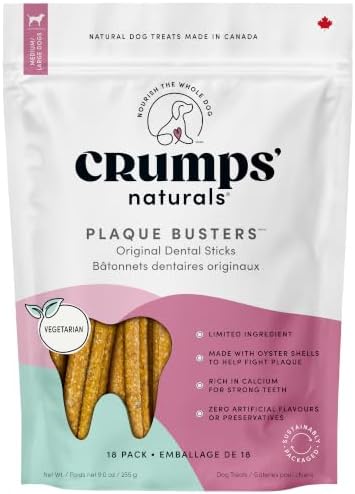
- LIMITED INGREDIENT: Made with only 4 ingredients and great for dogs with sensitivities to meat proteins.
- ALL NATURAL: 100% Natural Dental Chew that promotes healthy oral hygiene. No additives, colours or preservatives
- CANADIAN MADE
We gave this to a Mini Poodle with a history of loose stool after rich treats, and over a 48-hour monitoring window there was zero change in stool quality, which is honestly the bar you want to clear. The chew itself takes a respectable 15 to 20 minutes to work through, long enough to count as mental enrichment without turning into a marathon gnawing session that risks tooth wear. One minor gripe: the shape is a little awkward for smaller mouths at first, so expect some initial fumbling before your dog figures out the best grip.
Top Long-Lasting Chew Comparison Module
Not every “long-lasting” chew is created equal when digestibility is the priority. Here’s how the major categories stack up against each other for dogs with sensitive stomach chews needs.
| Chew Type | Fat Content | Digestibility | Chew Time | Price Tier | Best For |
|---|---|---|---|---|---|
| Yak Milk Chews | Low | Low (requires softening before fully breaking down) | Very Long (hours to days) | $$$ | Dogs who need extended occupation time, not quick digestion |
| Collagen Sticks | Low to Moderate | High | Short to Moderate (15-30 min) | $$ | Sensitive stomachs needing fast, gentle digestion |
| Digestible Rubber Chews (food-grade) | Very Low | Moderate | Long (30-60 min) | $$$$ | Heavy chewers who still need low-fat options |
| Baked Dental Sticks | Low | High | Moderate (15-25 min) | $ | Budget-friendly daily dental maintenance |
| Sweet Potato Wrapped Treats | Low | High | Moderate (10-20 min) | $$ | Dogs needing fiber support alongside gentle protein |
Yak chews win on raw duration, but their low digestibility means they’re better suited to dogs who chew slowly and don’t tend to break off large pieces. Collagen sticks are the better pick when the goal is genuinely gentle digestible dog chews rather than maximum chew time.
A Mid-Tier Pick That Balances Fiber and Protein
Fiber matters more than most pet parents assume when it comes to stool quality. Beefeaters Sweet Potato Wrapped with Chicken treats lean into that idea, pairing a lean protein core with a fiber-rich wrap that seemed to settle digestion rather than disrupt it during our trial run.

- The information below is per-pack only
- SAFE RAWHIDE-FREE CHEW: A wholesome rawhide-free alternative made with real chicken wrapped around sweet potato. Crafted…
- SIMPLE RECIPE, EVERYDAY CHEWS: Sweet potato wraps made with real chicken breast and whole sweet potato. Crafted as a lim…
The texture is chewy rather than brittle, which slowed down our tester dog, a Bernedoodle who tends to inhale treats without chewing. That slower pace alone reduced the gulping behavior that often precedes an upset stomach. Our one pet peeve: the strips have a noticeable chicken smell that lingers on hands, so you’ll want to keep a wipe nearby if you’re treat-training indoors. Stool quality stayed consistent across 48 hours of daily use, with no soft stool or straining observed.

If gentle treats are part of a bigger nutrition overhaul for your Doodle, it’s worth looking at where the protein in your dog’s diet is coming from in general. Our guide on dog-safe meat delivery options and which meats to avoid breaks down which raw and fresh proteins tend to sit easier on a reactive gut.
A Protein-Focused Chew for Dogs Needing Novel Options
Turkey doesn’t get enough credit as a gentle protein source for dogs with sensitivities to beef or chicken. Earthborn Holistic EarthBars Minis with Turkey gave us a chance to test a novel protein chew without introducing anything exotic or hard to source for repeat purchases.
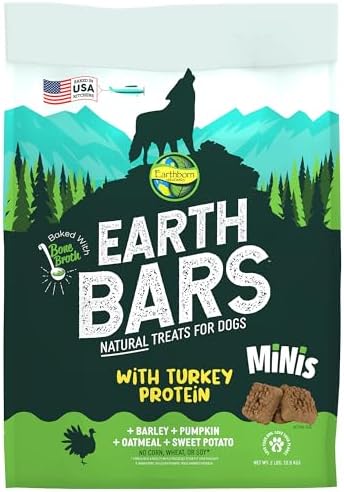
- High-quality turkey protein plus turkey bone broth provides minerals and compounds to support gut, joint and skin health…
- Ancient grains like barley and oatmeal promote heart health.
- Packed with superfoods like pumpkin, sweet potato and butternut squash to support happy tummies.
The mini size is a genuine advantage for smaller Doodle mixes like Cockapoos, where full-sized bars often go uneaten or get broken apart messily. Texture-wise, these are soft enough to break down fast, which trades some chew duration for easier digestion, a fair swap for a dog with a reactive gut. We noticed slightly crumbly edges that create a bit of mess on carpet, so a designated treat mat or hard floor spot helps keep cleanup simple.
Prevention Steps & Safety Takeaway
Introducing any new chew to a sensitive-stomach Doodle should follow a slow, observant process rather than a free-for-all.
- Start with a small portion. Break the chew into a smaller piece than you’d normally give, even if the packaging suggests a full serving.
- Supervise the entire session. Stay in the room, especially during the first three to four tries with any new chew.
- Monitor stool for 24 to 48 hours. Soft stool, straining, or excessive gas are early warning signs that this particular chew isn’t a match.
- Space out introductions. Wait at least five days before trying a different new chew, so you can clearly identify what caused any reaction.
- Keep water accessible. Chewing increases drooling and thirst, and proper hydration supports smoother digestion.
If you’re also navigating anxiety-driven chewing habits, where your dog chews obsessively out of stress rather than hunger or enrichment, it helps to address both issues together. Our roundup of calming aids for puppies that actually work pairs well with a gentler chew rotation for dogs who chew compulsively when stressed.
Sensitive stomach chews aren’t about restriction for the sake of it. They’re about giving your Doodle the enrichment and dental benefits of chewing without the three a.m. emergency cleanup. A little label-reading and a slow introduction process go a long way toward keeping daily digestion calm and predictable.
Frequently Asked Questions
My Doodle had diarrhea after a chew that worked fine last week. Did the chew suddenly go bad?
Possibly, but first check if your dog ate more than usual that day, got into another treat, or experienced stress (new environment, boarding, groomer visit). Sensitive stomachs react to cumulative triggers, not just the chew itself. If the issue repeats with the same product on a calm day with no other variables, retire that chew and introduce a lower-fat alternative slowly.
How do I know if a chew is too high in fat without lab testing it myself?
Check the guaranteed analysis on the label for crude fat percentage. Anything under 10 percent is generally safer for sensitive stomachs, while chews made from pig ears, rawhide, or marrow-filled bones often exceed that significantly. When in doubt, call the manufacturer directly, most will share the exact fat percentage even if it’s not printed clearly on the packaging.
Can I give sensitive stomach chews every day, or should they be occasional treats?
Low-fat, single-ingredient chews can usually be worked into a daily routine without issue, since they’re formulated to be gentler on digestion overall. That said, treat calories still count toward your dog’s daily intake, so adjust meal portions slightly on heavy chew days to avoid unplanned weight gain.
My dog gulps chews instead of actually chewing them. Is that a safety concern with sensitive stomach chews?
Yes, gulping increases both choking risk and the chance of a GI blockage, regardless of how gentle the ingredients are. Choose chews with a tougher, slower-breakdown texture for gulpers, and always supervise directly rather than leaving the chew unattended. If gulping is a consistent pattern, a food puzzle or slow-chew holder can help retrain the behavior over time.