


If you’ve ever caught a whiff of something funky coming from your Goldendoodle’s ears, you already know the gut-drop feeling that follows. A vet-approved ear wash is the safest route for cleaning your pup’s ears, and that’s not just a cautious opinion, it’s backed by veterinary dermatology research on how Doodle ear canals actually function. Those adorable, hairy, floppy ears trap moisture and wax against the skin like a warm little sponge, which is exactly why otitis externa (the medical term for outer ear infection) shows up in roughly 20% of dogs according to data cited by the American Kennel Club Canine Health Foundation.That statistic isn’t meant to scare you. It’s meant to explain why so many Goldendoodle owners feel like they’re constantly fighting ear gunk no matter how often they clean. The direct answer to the question you’re probably here for: a vet-approved ear wash formulated with the right pH and antimicrobial properties is safer and more effective than vinegar rinses, peroxide dabs, or oil-based home concoctions you might see recommended online. Home remedies can feel like a quick fix, but several carry real risk of irritation or masking a problem that needs actual treatment.Over the next few sections, we’ll walk through exactly how vet-formulated solutions stack up against popular home remedies, what warning signs mean it’s time to stop DIY-ing altogether, and a step-by-step cleaning routine you can start using this week. We’ll also cover prevention, because the real goal isn’t just treating ear trouble, it’s avoiding it in the first place.
Why Goldendoodle Ears Are Such Trouble Magnets
Goldendoodles inherit a double whammy from their Poodle and Golden Retriever lineage: low-hanging ear flaps and dense, often curly hair growing right inside the canal. That combination blocks airflow, which means moisture from baths, swimming, or even humid weather just sits there.Add wax buildup to that trapped moisture and you’ve got a near-perfect breeding ground for yeast and bacteria. This is why so many Doodle parents notice a musty, almost sweet-and-sour smell before anything else becomes obvious.Genetics play a role too. Some Goldendoodles are simply more prone to allergies, which inflame the ear canal and make infections more frequent. If your dog seems to get ear issues every few months, it’s worth asking your vet whether a food or environmental allergy might be the underlying driver.Vet-Approved Ear Wash vs Home Remedies: The Real Comparison
This is where most of the confusion lives. A quick search turns up dozens of “natural” ear cleaning recipes, and some of them genuinely sound reasonable on paper. But reasonable-sounding isn’t the same as safe for a dog’s sensitive ear canal.According to VCA Animal Hospitals, substances like hydrogen peroxide and undiluted vinegar can irritate inflamed ear tissue and may even damage the delicate structures of the middle ear if the eardrum is compromised, something an owner often can’t check at home.Here’s how the two approaches stack up side by side.
| Cleaning Method | pH Balanced | Antimicrobial Action | Risk Level | Best For | Price Tier |
|---|---|---|---|---|---|
| Vet-Approved Ear Wash | Yes | Yes (formulated) | Low | Routine maintenance and mild buildup | $$ |
| Zymox-Type Enzymatic Drops | Yes | Yes (enzyme-based) | Low to Moderate | Active infections under vet guidance | $$$ |
| Diluted Apple Cider Vinegar | No (acidic) | Minimal, unproven | Moderate | Not recommended without vet approval | $ |
| Hydrogen Peroxide | No (harsh) | Oxidizing, not targeted | High | Avoid for ear use entirely | $ |
| Oil-Based Mixes (olive, coconut) | No | None | Moderate (traps moisture further) | Occasional wax softening only | $ |
Signs Your Goldendoodle’s Ears Need Attention
Doodle ears hide a lot under all that fur, so you have to actually check rather than rely on obvious visual cues. Make this part of your weekly grooming routine, not an afterthought.- Odor: a yeasty, musty, or sour smell that wasn’t there before
- Head shaking or tilting: especially after swimming or baths
- Redness or swelling: visible when you gently lift the ear flap
- Discharge: brown, yellow, or black waxy buildup, sometimes crusty
- Scratching at the ear or rubbing against furniture
- Sensitivity to touch around the base of the ear
A Safe, Step-by-Step Ear Cleaning Routine
Technique matters just as much as the product you choose. Even the best vet-approved ear wash can underperform if it’s applied incorrectly or too aggressively.- Gather supplies: ear wash, cotton balls or gauze (never cotton swabs), and treats for positive reinforcement
- Fill the ear canal with solution without forcing the bottle tip deep inside
- Massage the base of the ear for about 20 seconds, you should hear a soft squelching sound
- Let your dog shake its head, this naturally brings debris to the outer ear
- Wipe away loosened wax and solution with cotton or gauze, working from the inside out
- Reward calm behavior immediately so cleaning stays a positive experience

- ITCHY EARS. RED PAWS. RAW HOT SPOTS. If your pup’s licking, scratching, or flaking nonstop, these allergy wipes for dogs…
- DAILY RELIEF FOR ALLERGY-PRONE SKIN These dog wipes lift allergens from fur, soothe irritation, and support skin barrier…
- PH-BALANCED & SAFE TO LICK AFTER No alcohol, no sulfates, no second guessing. These wipes for dogs are powered by 98%+ b…
Prevention: Keeping Ear Trouble From Coming Back
Treating an active infection is only half the job. Preventing the next one is where consistent habits really pay off.- Dry ears thoroughly after baths and swimming, moisture is the number one trigger
- Trim or pluck excess ear hair every few weeks, or ask your groomer to do it during regular visits
- Clean on a schedule, roughly once a week for most Doodles, more often for water-loving dogs
- Watch diet if your dog has recurring issues, since food allergies often show up as chronic ear inflammation
- Keep a log of flare-ups so you and your vet can spot patterns over time
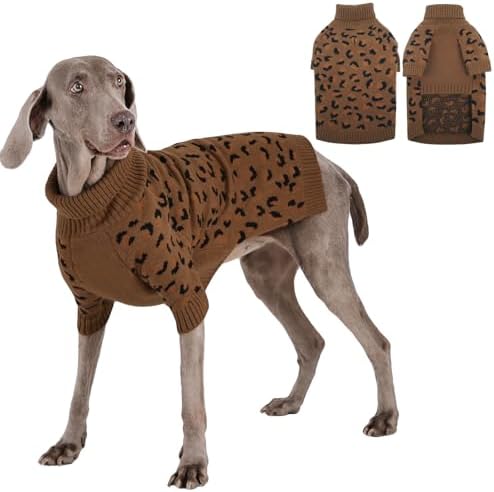
- SOFT WARM KNIT SWEATER: The ROZKITCH dog turtleneck pullover sweater is made of high density acrylic yarn that is comfor…
- TURTLENECK & FULLY BELLY WRAP PULLOVER: The knitted fall dog sweater is a turtleneck pullover that can fully wrap your p…
- HIGHLY ELASTICITY FOR BETTER FIT: The crochet sweater is highly stretchy and it offers comfortably and snugly fit. Your …

- Ultra-Gentle & Stretchy Fabric: Made of breathable cotton, this cat recovery suit is incredibly soft and stretchy, stays…
- Secure Fit with Accurate Sizing: Tired of confusing sizes? our suit fits snugly without restricting movement. No more si…
- Perfect for Post-Surgery Recovery: Whether your cat or dog just had a spay, neuter, or skin surgery, this recovery suit …
When Mites or Chronic Infections Are the Real Culprit
Sometimes what looks like a simple wax buildup is actually something more specific, like ear mites, which cause intense itching and dark, coffee-ground-like debris. Regular ear wash won’t resolve a mite infestation on its own.If you’re seeing that gritty dark discharge along with frantic scratching, it’s worth reading up on OTC ear mite drops that actually work before assuming a standard cleaning will fix things. Mites require a targeted treatment approach, and misdiagnosing the issue just prolongs your dog’s discomfort.Chronic, recurring infections also deserve a deeper look rather than repeated cleanings. If your Goldendoodle needs ear treatment more than four or five times a year, that’s a signal for your vet to investigate allergies, thyroid function, or anatomical factors rather than just prescribing another round of drops.Frequently Asked Questions
Is vet-approved ear wash safe to use every week?
Yes, most veterinary ear washes are formulated for frequent use and won’t strip the natural protective oils in the ear canal the way harsh home remedies can. Weekly cleaning is a reasonable routine for most Goldendoodles, though your vet may suggest more or less often depending on your dog’s individual ear health.
Can I use baby wipes instead of dog ear wipes?
It’s best to avoid baby wipes near your dog’s ears since they often contain fragrances and alcohol that can irritate sensitive skin. Dog-specific wipes are formulated with a gentler pH that matches canine skin chemistry, making them a safer choice for routine touch-ups.
Why do vets warn against vinegar rinses for dog ears?
Vinegar is acidic and can sting or burn inflamed ear tissue, especially if there’s any existing irritation or a compromised eardrum that isn’t visible to the naked eye. A vet-approved ear wash is pH balanced specifically to clean without that burning risk.
How do I know if home remedies made my dog’s ear infection worse?
Watch for increased redness, swelling, a stronger odor, or your dog becoming more sensitive to having the ear touched after using a home remedy. These signs mean it’s time to stop immediately and switch to a vet-approved ear wash or schedule a veterinary exam.


