


If your Doodle has been shaking their head like they’re trying to dislodge something invisible, or you’ve caught them scratching at their ears until they whimper, you’re probably already suspicious of ear mites. The good news: ear mite treatment with the right over-the-counter drops can genuinely work, but only if you understand what you’re dealing with first. These microscopic parasites, called Otodectes cynotis, live on the surface of the ear canal and feed on skin debris and oils, triggering intense itching and irritation.
Here’s the direct answer to the question everyone searches for: yes, OTC drops can clear a mild ear mite infestation, but timing and consistency matter more than the brand you pick. According to VCA Animal Hospitals, ear mites account for roughly 50% of otitis (ear inflammation) cases seen in puppies and young dogs, which is a staggering number for something this preventable. Over the next few minutes, we’ll walk through the symptoms worth watching, compare OTC options against vet-prescribed alternatives, and give you a step-by-step plan so you’re not guessing with your Doodle’s comfort.
What Ear Mites Actually Look Like Up Close
Otodectes cynotis mites are barely visible to the naked eye, but their damage sure isn’t. These parasites crawl across the ear canal lining, feeding on wax and skin oils, which irritates the delicate tissue and causes a cascade of inflammation. Doodle breeds with floppy, hair-covered ears (think Goldendoodles and Bernedoodles) are especially prone because that warm, low-airflow environment is basically a mite’s dream apartment.
Curly-coated Doodles also trap more debris near the ear canal opening, which can mask early mite activity until it’s fairly advanced. That’s part of why catching the signs early matters so much for effective ear mite treatment.
Symptom Checklist: Is It Really Mites?
Before reaching for any ear mite medicine, run through this checklist. Mites produce a fairly distinct symptom pattern, though it can overlap with other ear issues (more on that later).
- Head shaking that seems sudden or more frequent than usual
- Dark, crumbly debris resembling coffee grounds inside the ear
- Strong odor coming from the ear canal
- Redness or visible irritation on the inner ear flap
- Excessive scratching, sometimes to the point of self-inflicted scrapes
- Tilting the head to one side more than normal
If you’re seeing two or three of these together, especially the coffee-ground debris paired with odor, mites are a strong possibility. That said, some of these symptoms also show up with yeast infections or bacterial overgrowth, which is why a correct diagnosis matters before you commit to a treatment plan. If you’re noticing persistent odor or discharge that doesn’t match the mite pattern, our guide on dog ear infection home remedies that actually work breaks down how to tell the difference.

OTC Ear Mite Drops vs. Vet-Prescribed Treatments: Pros and Cons
This is probably the most important section if you’re trying to decide whether to grab something off the shelf or book a vet appointment. Both paths have real tradeoffs, and your Doodle’s situation should guide the choice.
| Treatment Type | Active Ingredient | Typical Treatment Length | Pros | Cons | Price Tier |
|---|---|---|---|---|---|
| OTC Pyrethrin Drops | Pyrethrin | 10-14 days, twice daily | Widely available, budget-friendly, no prescription needed | Doesn’t kill eggs, requires strict reapplication schedule | $ |
| OTC Ivermectin-Based Drops | Ivermectin | 2-3 weeks | Affordable, decent efficacy against adult mites | Not safe for certain sensitive breeds without vet clearance | $$ |
| Vet-Prescribed Selamectin | Selamectin (topical spot-on) | Single dose, repeated at 30 days | Clears infestations in over 90% of cases within 30 days per veterinary parasitology data | Requires a vet visit, premium investment | $$$$ |
| Vet-Prescribed Isoxazoline | Afoxolaner / Fluralaner class | Single oral dose, long-acting | Convenient, also covers fleas and ticks | High-end cost, prescription-only | $$$$$ |
The research backing selamectin is worth sitting with for a second. Studies summarized by Cornell University College of Veterinary Medicine show selamectin-based treatments clearing ear mite infestations in more than 90% of cases within 30 days, which outperforms most OTC formulas on a strict timeline. That doesn’t mean OTC drops are useless. For mild, caught-early infestations, pyrethrin or ivermectin drops often do the job just fine, especially when you’re diligent about the full application schedule.
Ear mites have a life cycle of roughly three weeks from egg to adult, which means any ear mite treatment that stops short of that window is practically guaranteed to let a few stragglers survive and restart the whole cycle.
Step-by-Step At-Home Application Guide
Applying ear mite drops correctly is honestly where most pet parents fall short, not because the product doesn’t work, but because the technique or timing is off. Follow this sequence closely.
- Clean the ear gently first. Use a vet-approved ear cleanser and a soft cotton ball to wipe away visible debris. Never use cotton swabs deep in the canal, as this can pack debris further in or injure the eardrum.
- Dry the ear thoroughly. Moisture left behind creates a breeding ground for secondary yeast or bacterial issues on top of the mite problem.
- Apply the correct dose of drops. Follow the label precisely; overdosing doesn’t speed up results and can irritate the canal further.
- Massage the base of the ear for about 20-30 seconds after application so the medication coats the entire canal.
- Repeat for the full 3-week mite life cycle, not just until symptoms seem to improve. Stopping early is the single biggest reason mites come back.
- Re-treat around the 30-day mark if your vet or product label recommends it, since newly hatched mites may have been missed in the first round.
A gentle slicker brush can also help you spot debris and skin changes around the ear flap and head area before they become harder to manage. The GoPets Small Pin Slicker Brush works well for keeping the fur around a Doodle’s ears tidy, which makes it easier to catch early irritation and keep air circulating properly.
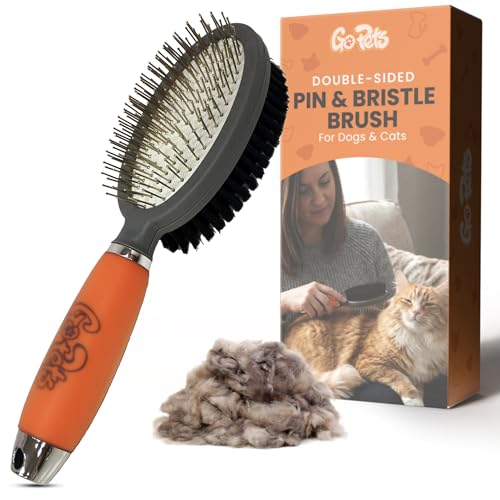
- DOUBLE-SIDED COAT CARE – Built to provide the right comb for any fur type, this pet grooming brush features pin and bris…
- PIN & BRISTLE FUNCTIONALITY – Pin side helps detangle knots, loosen light mats, and reach deeper layers for undercoat ca…
- GENTLE DEEP GROOMING – Designed for deep grooming that remains gentle on pets, helping maintain coat condition while min…
When Parasite Control Goes Beyond the Ears
Ear mites don’t exist in isolation. Dogs dealing with broader parasite loads often show compounding symptoms, and some vets will recommend addressing internal parasites alongside topical ear mite treatment if a dog’s overall health picture suggests it. Products like Toltrazuril 2.5% for Horses, Dogs, Cats are formulated for non-ruminant parasite management and are sometimes used under veterinary guidance as part of a broader anti-parasitic plan, though they are not a direct substitute for topical ear mite drops.
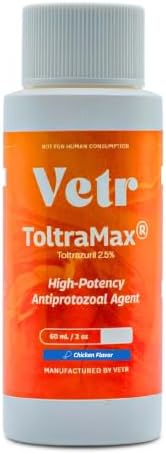
- Contains (1) 60mL/2 Ounce ToltraMax Toltrazuril 2.5% for Horses, Dogs, Cats
- Veterinarian-Recommended: Toltrazuril 2.5% (60mL)
- Powerful oral suspension

- Contains (1) 120mL/4 Ounce ToltraMax Toltrazuril 2.5% for Horses, Dogs, Cats
- Veterinarian-Recommended: Toltrazuril 2.5% (120mL)
- Powerful oral suspension
When It’s Not Mites: Mimicking Conditions That Need a Vet
Here’s where I want to be direct with you: not every itchy, head-shaking Doodle has mites. Yeast infections and bacterial otitis can produce nearly identical symptoms, including odor and dark discharge, but they require entirely different medications. If OTC ear mite drops show zero improvement after a week, that’s a strong signal you’re dealing with something else.
A vet visit becomes non-negotiable when you notice any of the following:

- Swelling or heat radiating from the ear canal
- Discharge that’s yellow, green, or bloody rather than dark and crumbly
- Your dog yelping or flinching when the ear is touched
- Symptoms persisting past 10-14 days of consistent treatment
- Signs of pain affecting balance or appetite
It’s also worth mentioning that chronic ear discomfort and unresolved itching can sometimes contribute to irritability or behavioral changes in sensitive dogs. If you’ve noticed your Doodle getting snappier or more reactive around other dogs since the ear symptoms started, it’s worth reading about fixes for Goldendoodle aggression towards other dogs to rule out a pain-driven behavior shift rather than a purely temperament issue.
Preventing Reinfestation Long Term
Once you’ve cleared an infestation, prevention becomes the priority. Mites spread easily between pets who share bedding, grooming tools, or close contact, so any multi-pet household needs a coordinated approach.
- Wash bedding and grooming tools in hot water after treatment
- Treat all pets in the household simultaneously, even ones without symptoms
- Keep regular ear-checking as part of your grooming routine, roughly weekly for floppy-eared Doodles
- Maintain good air circulation around the ear flap through regular trimming and brushing
- Schedule a vet check if symptoms return within a month of finishing treatment
Consistency here matters more than any single product. A good ear mite treatment routine paired with regular grooming checks catches problems while they’re still minor annoyances rather than full-blown infestations.
A Safety-First Takeaway for Daily Comfort
Ear mites are uncomfortable, but they’re also one of the more manageable parasite issues your Doodle might face, provided you treat the full life cycle and stay alert for symptoms that don’t fit the typical mite pattern. OTC ear mite medicine genuinely works for mild cases when applied correctly and consistently for the full three weeks. For anything more stubborn, recurring, or paired with swelling and pain, a vet visit protects your dog from a misdiagnosed infection dragging on longer than it should.
Your Doodle’s ears deserve the same steady attention you’d give any other part of their daily care routine. Catching the early signs, applying treatment properly, and knowing when to call in professional help keeps those itchy, miserable days to a minimum.
How long does ear mite treatment usually take to work?
Most OTC ear mite treatment plans run for about 2 to 3 weeks to cover the full mite life cycle from egg to adult. You may notice less scratching within a few days, but stopping treatment early is the most common reason mites return.
Can I use the same ear mite drops on multiple pets in my home?
Many OTC ear mite drops are labeled for use in multiple species, but always check the label for your specific pet’s weight and species before applying. Since mites spread easily between pets, treating all animals in the household at the same time is generally recommended.
Is it normal for my dog’s ears to look worse before they improve during treatment?
Mild redness right after cleaning and applying drops can be normal, but worsening swelling, odor, or discharge after a few days is not. That pattern usually points to a secondary infection, which means it’s time to call your vet rather than continue the same ear mite treatment.
Do Doodle breeds get ear mites more often than other dogs?
Doodles with floppy, hair-covered ears, like Goldendoodles and Bernedoodles, tend to have warmer, lower-airflow ear canals that mites find appealing. Regular ear checks and good grooming habits around the ear flap help reduce that risk.


