


A good dog ear cleaner can mean the difference between a quick, uneventful wipe-down and a costly trip to the vet for a raging yeast infection. If your Doodle’s ears smell musty, look waxy and brown, or make them tilt their head funny, you’re in the right place. This guide walks through what actually works, what to avoid, and the seven products worth having in your cabinet in 2026.
Doodles are wonderful dogs, but their ears were practically designed to collect trouble. Floppy, hair-covered, and warm, that ear canal shape creates a cozy little incubator for yeast and bacteria. The right dog ear cleaner addresses that moisture problem directly instead of just masking the smell for a day or two.
By the end of this article, you’ll know exactly which red flags mean “clean at home tonight” versus “call the vet tomorrow,” what ingredients actually dry out the ear canal safely, and which products are worth adding to your cart. Let’s get into it.
Why Doodle Ears Are Yeast & Wax Magnets
Poodle crosses inherited a lot of great traits from their Poodle parent: low-shed coats, smart personalities, that teddy-bear look. Unfortunately, they also inherited the pendulous, hair-covered ear flap, and that’s where the trouble starts.
A floppy ear blocks airflow into the canal. Add hair growing inside the canal itself (common in Goldendoodles, Labradoodles, and Bernedoodles), and you get a warm, dark, poorly ventilated tube that traps moisture after baths, swims, or even just humid weather. Yeast and bacteria thrive in exactly that kind of environment.
This isn’t just anecdotal. Research from Cornell University’s College of Veterinary Medicine has documented that dogs with floppy, hair-covered ears experience significantly higher rates of otitis externa (outer ear inflammation) compared to breeds with upright, prick ears. The anatomy itself is the risk factor, not something you did wrong as an owner.
That’s exactly why routine ear maintenance with a quality dog ear cleaner matters so much more for Doodles than it does for, say, a German Shepherd. You’re not overreacting by staying on top of this. You’re managing a known structural vulnerability.
Red Flags Before You Buy
Not every bit of brown wax means infection. Normal ear wax in Doodles is usually light tan to medium brown, has a faint but not offensive smell, and doesn’t bother the dog much when you touch the ear.
Here’s the checklist I’d run through before reaching for any dog ear cleaner or ear wax remover:

- Head shaking or tilting that happens repeatedly, not just once after a bath
- Dark discharge that looks like coffee grounds or has a thick, waxy, almost tar-like texture
- Strong, yeasty, or “cheesy” odor that comes back within a day of cleaning
- Scratching at the ear or rubbing the head on furniture or carpet
- Redness, swelling, or heat visible inside the ear flap
- Visible pain when the ear is touched or gently lifted
If your Doodle is showing two or more of these signs at once, especially odor paired with dark discharge, that’s a signal to get a vet exam before starting any home cleaning routine. Cleaning an actively infected ear can sometimes push debris deeper or mask symptoms the vet needs to see.
One or two of these signs on their own, like a little head shake after a swim, is usually nothing. A cluster of them together is what separates “needs a wipe” from “needs a diagnosis.”
What Makes a Safe Formula
Not all bottles labeled as an ear cleaning solution are created equal. The good ones are pH-balanced for canine skin (which is more alkaline than human skin) and include a drying agent that evaporates residual moisture after cleaning.
Ingredients worth looking for in a dog ear cleaner:
- Salicylic acid or boric acid: mild, effective drying agents that help prevent the moisture buildup yeast needs to grow
- Isopropyl alcohol in low concentrations: helps evaporate trapped water, though it should never be used on broken or irritated skin
- Aloe vera or glycerin: soothing agents that offset dryness from the active ingredients
What to avoid is just as important. The ASPCA Animal Poison Control Center has specifically warned pet owners against essential-oil-heavy “natural” ear solutions, since oils like tea tree, eucalyptus, and even some citrus extracts can be toxic or intensely irritating to a dog’s sensitive ear tissue. “Natural” on a label doesn’t automatically mean safe for an ear canal lined with delicate skin.
For a side-by-side on cleaning methods beyond liquid solutions, this breakdown of cotton balls versus ear wash for cleaning Goldendoodle ears is a useful companion read if you’re still deciding on a routine.
The 7 Best Dog Ear Cleaner Picks for 2026
Here’s where the rubber meets the road. I’ve grouped these by use case, because the best dog ear cleaner for daily maintenance isn’t necessarily the right pick for an active yeast flare-up or a quick post-swim dry-off.
For routine debris removal between full cleanings, the 2026 New Sticky Ear Cleaning Stick is a surprisingly handy little tool. It’s an adhesive-tip cleaning stick designed to lift wax and surface debris out of the outer ear canal without needing to flood the ear with liquid first.

- 【Sticky Tip for Gentle Ear Cleaning】Designed with a soft adhesive tip, these sticky ear cleaning sticks help pick up vis…
- 【Clean Earbuds, Headphones & More】More than an ear cleaning tool, these sticky cleaning sticks are also suitable for rem…
- 【Soft Design with Easy Handling】The lightweight stick design provides better control during use. The soft sticky tip hel…
Pros: gentle, fast, good for light daily maintenance between full washes. Cons: not a substitute for a true liquid ear wax remover when there’s heavy buildup or active infection involved.
Below is a comparison table covering all seven picks across use case, key ingredients, and price tier. Remember, these tiers reflect relative value, not fixed prices, since Amazon pricing shifts over time.
| Product Type | Best For | Key Ingredient Focus | Drying Agent? | Price Tier |
|---|---|---|---|---|
| Sticky Ear Cleaning Stick | Daily light maintenance | Adhesive debris lift (no liquid) | No | $ |
| pH-Balanced Liquid Flush | Weekly deep clean | Boric acid / aloe vera | Yes | $$ |
| Medicated Yeast-Targeting Solution | Active yeast buildup | Salicylic acid | Yes | $$$ |
| Post-Swim Drying Spray | After baths or swimming | Isopropyl alcohol (low %) | Yes | $$ |
| Pet Ear & Face Wipes | On-the-go cleanup | Gentle surfactants | Mild | $ |
| Digital Otoscope Ear Camera | At-home ear inspection | N/A (diagnostic tool) | N/A | $$$$ |
| Vet-Grade Combination Kit | Chronic ear issues | Multi-agent formula | Yes | $$$$$ |
For general wipe-downs around the ear flap and face, especially after a muddy walk, the ZOOP XL Pet Wipes for Dogs & Cats are a solid budget-friendly addition to the routine. They’re not a replacement for a true liquid ear cleaning solution, but they’re great for quick touch-ups on the outer ear and surrounding fur.
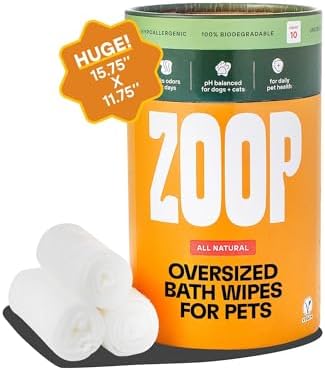
- FAST GROOMING: Save hours of cleaning your dirty pet! Instead of a bath, a quick wipe with a giant towel-sized pet wipe….
- BETTER THAN SHAMPOO: The gentle oversized pet grooming wipe is water-based and infused with skin-supporting nanosilver. …
- ULTRA BIG AND THICK: Pack of 10 absorbent, very thick, giant pet grooming wipes for easy pet cleaning.
Pros: convenient, portable, good for travel bags. Cons: surface-level only, won’t address deep canal wax or yeast.

If you want to actually see what’s happening inside the ear canal rather than guessing from smell and head-shaking alone, a Digital Otoscope Ear Camera with Silicone Tips is genuinely one of the more useful tools a Doodle owner can own. It lets you visually check for redness, discharge, or buildup before deciding whether a home dog ear cleaner is enough or a vet visit is warranted.
Pros: removes the guesswork, great for monitoring chronic ear dogs over time. Cons: premium investment, learning curve for first-time use, not a cleaning tool itself.
Rounding out the list, a pH-balanced liquid flush with boric acid remains the gold standard for weekly deep cleaning, a medicated salicylic-acid formula is worth keeping on hand specifically for active yeast flare-ups, a post-swim drying spray earns its spot for water-loving Doodles, and a vet-grade combination kit is the right call for dogs with a history of chronic ear infections.
Step-by-Step Safe Application Method
Here’s a positive-reinforcement friendly routine that works well for most Doodles once you’ve confirmed the ear is healthy enough for home care.
- Gather treats first. Pair the whole process with calm praise and small rewards so your Doodle associates ear cleaning with something good, not something scary.
- Lift the ear flap gently and take a quick look or sniff. This is a good moment to use an otoscope camera if you have one.
- Apply the dog ear cleaner solution into the canal following the bottle’s recommended amount. Don’t insert the nozzle tip deep into the canal.
- Massage the base of the ear for about 20 to 30 seconds. You should hear a soft squelching sound, that’s the solution breaking up debris.
- Let your dog shake their head. This naturally brings loosened debris up and out of the canal.
- Wipe the visible flap and outer canal with a cotton ball or soft pad, working outward only, never pushing inward.
- Reward and repeat on the other ear. Finish with a treat and some calm praise.
For a closer look at exactly how to apply this with the right tools, this comparison of mat splitters versus dematting combs for safer grooming around the ears is a helpful related read, since matted fur around the ear flap can trap the same moisture that leads to yeast problems in the first place.
If you ever notice resistance, pain, or the ear smells worse after a few days of consistent home cleaning, that’s your cue to stop and book a vet visit. No home routine, no matter how good the dog ear cleaner is, should be fighting an active infection without professional backup.
A Reassuring Takeaway
Doodle ears need more attention than most breeds, but that doesn’t mean you need to overhaul your whole week around it. A consistent, gentle routine with the right dog ear cleaner, paired with knowing the warning signs that call for a vet, keeps most ear issues from ever becoming a real problem.
For a deeper look at specific liquid formulas built for Goldendoodle-type ear canals, check out this roundup of the best vet-recommended ear cleaners for Goldendoodles, which pairs well with everything covered here.
According to the American Kennel Club, routine at-home ear maintenance combined with regular vet checkups is one of the most effective ways to prevent chronic otitis in floppy-eared breeds. That guidance lines up closely with everything in this guide: stay consistent, watch for red flags, and don’t hesitate to loop in your vet when something feels off.
How often should I use a dog ear cleaner on my Doodle?
Most Doodles do well with a full ear cleaning once a week, with quick wipe-downs or spot checks after swimming or baths. Dogs prone to recurring yeast issues may need cleaning two to three times a week, but that schedule should be set with your vet rather than guessed at home.
Can I use human ear wax remover on my dog?
No. Human ear wax remover products are formulated for a different skin pH and often contain ingredients that are too harsh or even toxic for canine ear tissue. Always choose a dog ear cleaner specifically formulated and labeled for veterinary or pet use.
Is brown ear wax always a sign of a yeast infection?
Not necessarily. Light to medium brown wax with little to no odor is often normal, especially in Doodles with hairy ear canals. Dark, coffee-ground-like discharge paired with a strong smell and head shaking is more likely to indicate yeast or bacterial overgrowth that needs veterinary attention.
What’s the safest ear cleaning solution for sensitive Doodle ears?
Look for a pH-balanced ear cleaning solution with mild drying agents like boric acid, paired with soothing ingredients such as aloe vera. Avoid essential-oil-heavy natural formulas, since groups like the ASPCA Animal Poison Control Center warn these can irritate or even harm sensitive ear tissue.


