


If you’re staring down a brush full of tangled hair wondering why your dog’s coat turns into a felt mat overnight, you’re not alone, and the right dog grooming tools can genuinely turn things around. Curly, Poodle-type coats (think Goldendoodles and Bernedoodles) mat faster than almost any other coat type on the planet. That tight curl structure traps loose undercoat hair before it ever hits the floor, and within a day or two, those trapped hairs twist into dense knots close to the skin.
This article walks through why these coats mat so aggressively, which doodle coat types are the worst offenders, and exactly which brushes, rakes, and clippers actually hold up against dense, tangle-prone fur. By the end, you’ll have a realistic prevention routine and a shopping list of dog grooming tools that won’t let you down halfway through a de-matting session.
Why Curly Doodle Coats Mat So Fast
The science behind matting is pretty straightforward once you see it laid out. Curly and wavy coats shed just like any other coat, but instead of that loose undercoat falling away naturally, the curl traps it against the skin. The American Kennel Club notes that double-coated and curly-coated breeds need brushing every 24 to 48 hours specifically because trapped loose hair accelerates felting, especially in friction zones like behind the ears, in the armpits, and around the collar line.
Once hair starts felting, it doesn’t just sit on top of the skin. Mats tighten as the dog moves, pulling at the follicle with every step. Left unchecked for a week or two, a small snarl behind the ear can turn into a solid pelt that requires clippers to remove safely, which is miserable for both the dog and the person holding the shears.

A good rule of thumb from professional groomers: if you can’t easily slide a comb all the way to the skin in under three seconds, that spot is already on its way to matting.
Hardest Doodle Coats to Groom, Ranked
Not all doodle coats behave the same way, and knowing which one you’re dealing with changes your entire grooming strategy. Here’s how the three most common doodle coat types stack up against each other for matting risk.
- Bernedoodle plush coats: Dense, wavy to curly, often double-coated depending on generation. High matting risk around the ruff and tail, moderate everywhere else. Pros: softer texture, less frizz-prone. Cons: thick undercoat hides mats until they’re already tight.
- Goldendoodle curly coats: Tight ringlets, single-coated in F1b and later generations. Highest overall matting risk, especially behind ears, under the collar, and in the “armpit” area. Pros: minimal shedding. Cons: unforgiving if brushing is skipped even a few days.
- Labradoodle fleece coats: Soft, loose wave, somewhere between curly and straight. Lower matting risk than the other two but still prone to tangling on the legs and belly where friction is constant. Pros: easier to maintain day-to-day. Cons: can hide skin issues under the wave pattern.
If your dog’s coat problems are tied to broader health or behavior patterns rather than just grooming logistics, it’s worth reading our Goldendoodle health problems buyer’s guide for a fuller picture of what’s normal and what’s not.
Comparing the Hardest-to-Groom Coat Types
| Coat Type | Matting Risk | Recommended Brushing Frequency | Best Tool Category | Price Tier |
|---|---|---|---|---|
| Goldendoodle (curly) | Very High | Daily | Slicker brush + metal comb | $$ |
| Bernedoodle (plush) | High | Every 1-2 days | Undercoat rake | $$$ |
| Labradoodle (fleece) | Moderate | Every 2-3 days | Pin brush + comb | $$ |
| Clipper (dense coat capable) | N/A (tool) | As needed for trims | Professional-grade clipper | $$$$ |
Best Dog Grooming Tools for Thick, Matted Coats
Having the right dog grooming tools on hand makes the difference between a 20-minute brushing session and a two-hour wrestling match. Here’s what actually holds up against dense doodle fur.

- Slicker brushes: Fine, bent wire bristles that pull loose undercoat without shredding the topcoat. Best used daily on curly coats.
- Undercoat rakes: Longer teeth designed to reach past the topcoat into the dense underlayer where mats start forming. Essential for Bernedoodle-type coats.
- Metal combs: Used after brushing to check for missed tangles close to the skin. A quality Metal Comb for Dogs Grooming Detangler is one of those simple tools that pays for itself the first time it catches a mat your brush missed.

- EASY DEMATTING & DETANGLING: Our dog grooming comb features extra-long stainless-steel teeth that glide through tough kn…
- EXTRA LONG PINS: Engineered with PINs that are 30% longer, this dematting comb reaches deeper into dense, curly, or long…
- ERGONOMIC HANDLE: Designed with a non-slip, ergonomic handle, this metal dog comb ensures a secure grip and reduces hand…
On the clipper side, a 2023 Groomer to Groomer industry survey found that motor burnout rates spike significantly on dense, matted coats when groomers use lighter-duty clippers not rated for continuous heavy use. Andis-style rotary motors tend to hold up better under sustained resistance than lower-powered pivot motors, which matters a lot once you’re clipping through a felted mat rather than clean fur. Whatever brand you choose, look for a clipper rated for “thick” or “dense” coats specifically, and keep a spare blade guard on hand since dull blades pull hair instead of cutting it cleanly.
Setting Up a Stress-Free Grooming Station
Half the battle with matted coats is physical control, not just tool quality. Dogs squirm, and a squirming dog over a thick mat is how nicks happen. A confote Pet Grooming Adjustable Arm with Clamp gives you a stable, hands-free way to keep your dog in position without pinning them down yourself, which also tends to lower a dog’s stress during longer sessions.
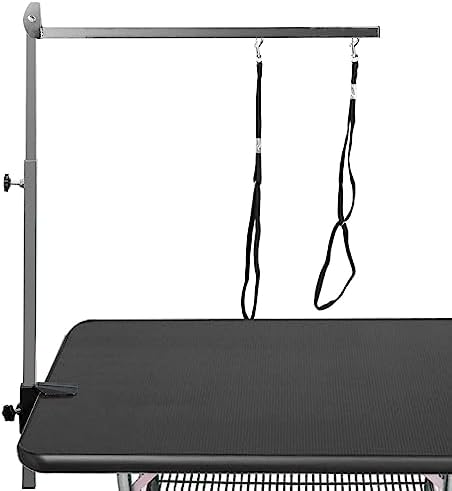
- This Confote Foldable Grooming Arm is essential equipment and performs an important function when you groom your pets. H…
- Simple assembly and no tools necessary. Easy to attach and fasten the clamp onto edge of table directly and the grooming…
- PORTABLE: innovative foldable grooming arm that breaks down to less than 20″ in length, making it simple to carry and se…
For cleanup, a dedicated grooming vacuum setup cuts down on loose hair floating around your space and can double as a gentle, low-suction tool for lifting loose undercoat before it has a chance to mat. The Ozumek Dog Grooming Vacuum Kit with 3 Suction Levels is built with that kind of multi-step routine in mind, pairing suction with trimming attachments so you’re not juggling three separate devices.
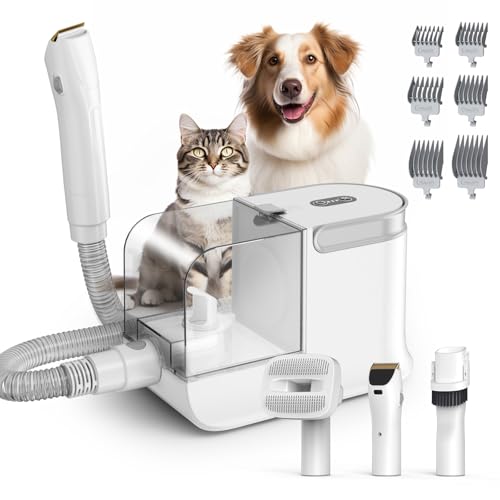
- 🐕Grooming & Vacuum All at Once: Our dog grooming kit with a vacuum function captures 99% of pet hair with 10,000 Pa suct…
- 🐈5-in-1 Pro Pet Grooming Kit: Complete with perfect accessories for comprehensive pet grooming.Suction and grooming all …
- 🐕6 Adjustable Guard Combs: With combs ranging from (3mm/6mm/9mm/12mm/15mm/18mm), you can easily trim pet hair of differe…
Step-by-Step Prevention Routine
Prevention is always easier than cure when it comes to matted coats. Here’s a routine that works for most curly and wavy doodle coats regardless of generation.
- Line-brush, don’t surface-brush. Part the coat in sections and brush from the skin outward, rather than skimming the top layer. Mats form underneath, so that’s where your brush needs to go.
- Spray before you brush. A light mist of de-matting or leave-in conditioning spray reduces static and friction, which makes the comb glide through instead of catching and pulling.
- Check high-friction zones first. Behind the ears, under the collar, in the armpits, and around the tail base mat fastest because of constant movement and moisture.
- Follow a frequency chart. Curly coats: daily. Plush coats: every one to two days. Fleece coats: every two to three days. Skipping even one scheduled session on a curly coat can let a mat take hold.
- Use scissors or a mat splitter for stubborn knots. Never pull or cut blind against the skin. If a mat won’t release with a comb, work it loose in small sections with the comb held flat against the skin as a guard.
Grooming anxiety isn’t just physical, either. A dog that associates the brush with discomfort will squirm more, which raises the risk of nicks during de-matting. If your pup’s restlessness during grooming overlaps with general hyperactivity, our comparison of calming chews versus puzzle toys for hyper puppies might help settle them before sessions.
Frequently Asked Questions
Which doodle breed has the hardest coat to groom?
Goldendoodles with tight, curly coats are generally considered the hardest to groom among doodle breeds, since their curl pattern traps loose undercoat hair fastest and requires daily brushing to prevent felting.
What dog grooming tools work best on matted coats?
A slicker brush paired with a metal comb and an undercoat rake covers most matting situations. For felted mats, a professional-grade clipper rated for dense coats is safer than trying to cut mats out with scissors.
Can I use a regular undercoat rake on a severely matted dog?
An undercoat rake works well for moderate tangling but isn’t designed for severe, felted mats close to the skin. In those cases, clippers with a guard comb are the safer choice to avoid skin irritation or cuts.
How often should I brush a curly doodle coat to prevent matting?
Curly doodle coats should be brushed daily, ideally with line-brushing technique that reaches the skin rather than just the surface. Skipping more than a day or two significantly raises the risk of matting in high-friction areas.
Thick, curly doodle coats will always demand more attention than straight-coated breeds, but with the right dog grooming tools and a consistent routine, matting becomes a manageable, almost boring part of your week instead of a dreaded chore. Stick with daily line-brushing, keep a reliable undercoat rake and comb within reach, and reach for professional-grade clippers rather than scissors once a mat tightens up. Your dog’s skin and your own patience will both thank you for it.


