

Goldendoodle ear cleaning should happen roughly every one to two weeks for most dogs, though that number shifts depending on your dog’s coat texture and how much time she spends swimming, hiking, or rolling around in the yard. If you’ve ever caught a whiff of something funky coming from your pup’s head and wondered if that’s normal, it’s not, and this guide breaks down exactly how often you should be checking and cleaning based on your own dog’s lifestyle.
I’m Emily Cooper, and I’ve spent years writing about Doodle health and grooming while living with my own curly-coated troublemaker. Ears are one of those areas pet parents tend to ignore until there’s a problem. By then, you’re usually looking at a vet visit, medication, and a dog who doesn’t want anyone touching her head for a week. A little consistency up front saves everyone the hassle.
Why Goldendoodle Ears Are an Infection Magnet
Goldendoodles inherited a specific anatomical disadvantage from both parent breeds: floppy, low-hanging ear flaps. That shape covers the ear canal like a lid, cutting off airflow. Add in the hair growth that often continues inside the canal itself (a Poodle trait), and you’ve got a warm, dark, humid pocket that’s basically a petri dish. Veterinary dermatologists point to this combination of poor ventilation and hair-trapped moisture as a primary structural risk factor for chronic ear issues in floppy-eared breeds, and it’s a big reason goldendoodle ear cleaning needs to be part of your regular routine rather than an afterthought.
Compare this to a German Shepherd or a Corgi, breeds with upright ears that let air circulate freely and dry out naturally after a bath or a romp in the sprinkler. Your Goldendoodle doesn’t get that benefit. Every bit of moisture, wax, or debris that gets in there tends to stay in there unless you intervene.
Baseline Goldendoodle Ear Cleaning Frequency
Most vets recommend a weekly ear check paired with actual cleaning every one to two weeks for Doodles and other floppy-eared breeds. According to VCA Animal Hospitals, breeds with upright ears can often get away with cleaning every three to four weeks, but that timeline doesn’t apply here. Your Goldendoodle’s ear anatomy demands more frequent attention, full stop.
A “check” simply means lifting the ear flap, taking a sniff, and glancing inside for excess wax, redness, or debris. You don’t need to clean every single time you check. But you do need to look often enough that you’d notice if something started going sideways. Think of it like checking your smoke detector batteries: quick, routine, and the kind of thing that prevents a much bigger problem down the road.
If your dog has particularly waxy ears or a history of infections, your vet might bump that goldendoodle ear cleaning schedule up to once a week. Dogs with cleaner, drier ears and no history of issues might stretch to every two weeks comfortably. There’s no universal number that fits every dog, which is exactly why coat type and activity level matter so much.

Adjusting Goldendoodle Ear Cleaning by Coat Type
Not all Doodle coats behave the same way, and that affects how often you’ll need to clean and maintain the ear area.
- Curly, Poodle-type coats: These trap the most debris, dander, and moisture. Hair inside the ear canal grows thick and often needs regular plucking or trimming by a groomer to maintain airflow. Dogs with this coat type typically need cleaning on the more frequent end, closer to weekly.
- Wavy coats: A middle ground. Less hair density inside the canal than a true curly coat, but still enough to cause buildup over time. Every one to two weeks tends to work well.
- Straight coats: These Doodles shed more like their non-Poodle parent and usually have less internal ear hair. Cleaning every two weeks is often sufficient, though you should still check weekly.
Keeping the hair around and inside the ear trimmed short makes a real difference regardless of coat type. A groomer can handle this, or you can learn to do light maintenance at home with the right tools. Many pet parents also use a GoPets Small Pin Slicker Brush, Dog & Cat Pin Comb around the face and ear area to gently work through tangles and loosen trapped debris before it builds up near the canal opening.
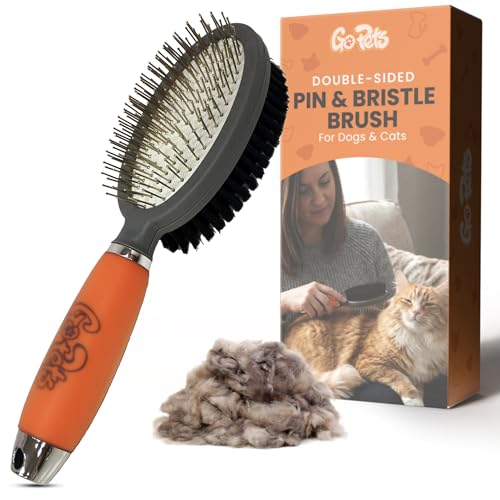
- DOUBLE-SIDED COAT CARE – Built to provide the right comb for any fur type, this pet grooming brush features pin and bris…
- PIN & BRISTLE FUNCTIONALITY – Pin side helps detangle knots, loosen light mats, and reach deeper layers for undercoat ca…
- GENTLE DEEP GROOMING – Designed for deep grooming that remains gentle on pets, helping maintain coat condition while min…
If your Doodle’s coat is seriously tangled or matted around the ears and face, regular brushing alone won’t cut it. Our breakdown of dematting tools for severely matted dog hair covers the gear that can safely work through those tough spots without pulling on sensitive skin.
Adjusting Goldendoodle Ear Cleaning by Activity Type
Your dog’s lifestyle matters just as much as her coat. A couch-loving Goldendoodle who takes short walks around the block has very different ear care needs than a water-obsessed dog who treats every lake, pool, and puddle as a personal invitation.
The ASPCA notes that trapped moisture is one of the leading causes of otitis externa (outer ear infection) in floppy-eared breeds, and swimming is one of the fastest ways to introduce that moisture. If your dog swims regularly, her ears need to be dried thoroughly within a few hours of getting wet, not left to air out on their own overnight. Water sitting in a warm canal for a full day gives bacteria and yeast exactly what they need to multiply.
Swimming is wonderful exercise for Doodles, but it’s also one of the single biggest triggers for ear infections I see in practice. The dogs who do best are the ones whose owners dry their ears every single time, not just when they remember.
Here’s a rough breakdown of how activity level should shape your goldendoodle ear cleaning routine:
- Frequent swimmers or water-sport dogs: Dry ears after every swim session, and clean every five to seven days.
- Regular outdoor hikers or dogs who play in tall grass/dirt: Check after every outing, clean roughly every one to two weeks.
- Mostly indoor or low-activity dogs: Weekly checks, cleaning every two weeks is usually fine.
Drying technique matters too. A soft, absorbent towel or cotton round pressed gently into the outer ear works well. Avoid cotton swabs deep in the canal, since they can push moisture and debris further in rather than removing it.
Comparing Goldendoodle Ear Care Tools and Accessories
Having the right tools on hand makes a consistent cleaning routine much easier to stick with. Below is a quick comparison of items that support healthy ear and coat maintenance for Doodles.

| Product | Best For | Key Feature | Price Tier |
|---|---|---|---|
| GoPets Small Pin Slicker Brush | Loosening debris near ears and face before cleaning | Gentle pins designed for sensitive facial areas | $ |
| Dedicated vet-recommended ear cleaning solution (not pictured) | Breaking down wax and drying the canal | Formulated pH balance for canine ears | $$ |
| Absorbent microfiber ear/paw towel (not pictured) | Post-swim or post-bath drying | Fast-drying material, machine washable | $ |
A quality slicker brush like the one mentioned above isn’t a direct ear cleaning product, but it plays a supporting role. Keeping the hair around the ears free of mats and loose debris means less material falls into the canal in the first place, which cuts down on how often deep cleaning is needed.
Signs That Mean It’s Time to See a Vet, Not Just Clean at Home
Routine goldendoodle ear cleaning handles normal wax and debris buildup, but it is not a treatment for infection. If you notice any of the following, skip the home remedy and call your vet instead:
- Strong or sour odor coming from the ear, even after cleaning
- Frequent head shaking or scratching at one or both ears
- Redness, swelling, or visible irritation inside the ear flap
- Dark brown, yellow, or bloody discharge on the cotton or swab
- Noticeable pain when the ear is touched, including flinching or whining
These symptoms often point to bacterial or yeast infection, or occasionally ear mites, which require prescription treatment rather than at-home cleaning alone. If you suspect mites specifically (intense itching, dark crumbly debris resembling coffee grounds), our guide to OTC ear mite treatment drops that actually work explains what to look for and when over-the-counter options are appropriate versus when a vet visit is necessary.
For dogs dealing with recurring brown wax or yeasty buildup rather than mites, choosing the right cleaning solution matters quite a bit. We cover specific formulas and application tips in our review of the best dog ear cleaner for brown wax and yeast buildup, which pairs well with the cleaning schedule outlined here.
For general reference on canine ear anatomy and why floppy-eared breeds face higher infection risk, the ASPCA’s ear care resource offers a solid overview backed by veterinary guidance.
Building a Routine That Actually Sticks
The best goldendoodle ear cleaning schedule is the one you’ll actually follow. Pairing ear checks with something you already do weekly, like brushing or bath time, makes it far less likely to slip through the cracks. Keep your cleaning solution and cotton rounds stored somewhere visible, not buried in a cabinet, so there’s no excuse to skip it when you’re tired or in a hurry.
Dogs catch on to routines quickly, especially when you keep the experience calm and reward-based. A few treats during and after ear handling go a long way toward building a dog who tolerates, or even enjoys, this part of grooming rather than dreading it.
Frequently Asked Questions
How often should I actually clean my Goldendoodle’s ears?
Most Goldendoodles need goldendoodle ear cleaning every one to two weeks, with weekly checks in between. Dogs with curly coats, lots of ear hair, or frequent swimming habits often need cleaning closer to once a week, while low-activity dogs with straighter coats may be fine every two weeks.
Can I clean my Goldendoodle’s ears too often?
Yes. Over-cleaning can strip natural wax and irritate the delicate skin inside the ear canal, sometimes leading to dryness or inflammation. Stick to a consistent schedule based on your dog’s coat type and activity level rather than cleaning daily just to be cautious.
What’s the difference between normal ear wax and a sign of infection?
Normal wax is usually light tan or yellowish with little to no smell. Infection-related discharge tends to be darker, thicker, foul-smelling, or accompanied by redness and head shaking. If you’re ever unsure, it’s worth a quick vet check rather than guessing.
Does trimming ear hair reduce how often I need to clean my Goldendoodle’s ears?
Yes, trimming or plucking excess hair inside and around the ear canal improves airflow significantly, which can stretch out your goldendoodle ear cleaning interval slightly. It won’t eliminate the need for regular cleaning, but it does reduce how much debris and moisture gets trapped between sessions.


