


Puppy biting gear can save your hands, your furniture, and your sanity during one of the most intense phases of raising a Doodle. If your Goldendoodle or Labradoodle puppy has turned into a tiny land shark with needle teeth, you’re not dealing with a bad dog. You’re dealing with a normal, if painful, stage of development, and the right tools can make it dramatically more manageable.
I’ve worked with enough Doodle puppies (and nursed enough forearm scratches) to know that the gear you choose in these early months matters almost as much as the training itself. Some products redirect biting beautifully. Others just give your pup something new to destroy. This guide walks through what actually works, according to vets and behaviorists, and what to skip.
Why Puppy Biting Is Normal, Not Aggression
First things first: mouthy behavior in a young puppy is not the same thing as aggression. The ASPCA notes that mouthing and nipping typically peak between 3 and 6 months of age, right as teething kicks in and adult teeth start pushing through tender gums. Puppies also explore the world with their mouths the way human toddlers explore with their hands. Add in the fact that Doodle breeds (Goldendoodles, Labradoodles, Bernedoodles) tend to be high-energy and food-motivated, and you get a lot of mouth action directed at anything within reach, including you.
That said, normal doesn’t mean you should just tolerate shredded sleeves for six months. The goal is to give your puppy acceptable things to chew while you work on bite inhibition. This is where good puppy biting gear earns its keep. A thoughtfully stocked toy basket gives your pup an obvious, satisfying alternative every time those teeth start aiming for skin.
If the biting seems to be escalating rather than fading, or your puppy is targeting hands specifically during play, it helps to look at targeted training resources alongside gear. For a side-by-side comparison of what actually works for hand-focused nipping, this breakdown of puppy biting hands vs feet training solutions is worth a look.
Vet-Recommended Chew Toys and Textures That Redirect Biting Safely
Not all chew toys are created equal, and texture matters more than most new puppy owners realize. The American Veterinary Medical Association generally steers owners toward rubber and rope textures for teething puppies, since these are softer on emerging adult teeth than hard plastic or nylon, which can actually chip or wear down enamel over time.
Rope toys are particularly good for interactive tug play, which lets you redirect your puppy’s mouth away from your hand and onto something durable. A sturdy option worth having on hand is the GPCA Dog Leash Set PRO w/Titanium Carabiner Handle X Grip, which, beyond its main use for walks, has a padded handle grip that doubles as a redirect tool during leash-training sessions when your puppy decides the leash itself looks tastier than the sidewalk. Having a leash with reinforced hardware also means less chewed-through gear if your pup grabs at it mid-walk.
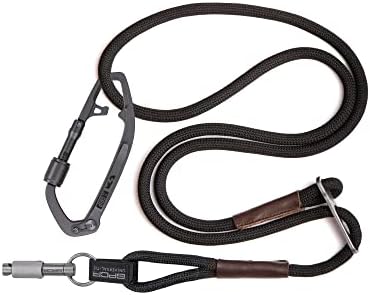
- 𝐓𝐢𝐭𝐚𝐧𝐢𝐮𝐦 𝐂𝐚𝐫𝐚𝐛𝐢𝐧𝐞𝐫 𝐇𝐚𝐧𝐝𝐥𝐞 𝐗-𝐆𝐫𝐢𝐩 𝐰𝐢𝐭𝐡 𝐌𝐮𝐥𝐭𝐢𝐩𝐥𝐞 𝐇𝐚𝐧𝐝𝐥𝐢𝐧𝐠 𝐌𝐞𝐭𝐡𝐨𝐝𝐬: The heavy-duty Titanium carabiner handle X-Grip is engi…
- 𝐒𝐡𝐨𝐜𝐤-𝐀𝐛𝐬𝐨𝐫𝐛𝐢𝐧𝐠 𝟔-𝐂𝐨𝐫𝐞 𝐑𝐨𝐩𝐞 𝐰𝐢𝐭𝐡 𝐀𝐝𝐣𝐮𝐬𝐭𝐚𝐛𝐥𝐞 𝐂𝐨𝐧𝐭𝐫𝐨𝐥: This rope dog leash uses a reinforced 6-core construction made from…
- 𝐔𝐧𝐢𝐯𝐞𝐫𝐬𝐚𝐥 𝐓𝐢𝐞 & 𝐗-𝐂𝐥𝐢𝐩 𝐰𝐢𝐭𝐡 𝟑𝟔𝟎° 𝐒𝐦𝐨𝐨𝐭𝐡 𝐀𝐭𝐭𝐚𝐜𝐡𝐦𝐞𝐧𝐭: The included Universal Tie and X-Clip allow fast, secure attachment …

Rubber chew toys with varied textures (nubs, ridges, hollow centers) tend to hold a puppy’s attention longer than smooth plastic because they engage more sensory feedback in the mouth. For a budget-friendly, high-volume option, rubber tennis-style balls work well for fetch and solo chewing. The PHOEPET 6-Pack Tennis Balls for Dogs, Bulk Rubber set is a practical pick here, since Doodle puppies lose and destroy balls at an alarming rate, and having a six-pack on hand means you’re not restocking every other week.

- High-Visibility Fetch Toy For Dogs: Our vibrant, bright-colored balls are incredibly easy for dogs and owners to see in …
- Durable & Safe Dog Toy: Built for enthusiastic play! Made with strong, puncture-resistant rubber and non-toxic materials…
- Promotes Canine Health & Happiness: Helps reduce dog anxiety and boredom through active play. Chasing and fetching encou…
This is also a good moment to think about puppy biting gear in the context of your puppy’s overall development stage. What works at 10 weeks won’t necessarily hold up at 7 months when your Doodle’s jaw strength and persistence have both leveled up considerably.
Freezer-Friendly Teething Toys for Sore Gums
Temperature is an underrated tool in the puppy biting gear category. Cold therapy numbs sore gums the same way an ice pack soothes a human toothache, which is exactly why freezer-friendly teething toys exist. Rubber teethers with hollow centers, textured rope toys that have been dampened and frozen, or specially designed silicone teething rings all work on the same principle: the cold temporarily reduces inflammation and discomfort around the gumline, which in turn reduces your puppy’s urge to chomp down on everything in sight.
A simple trick I recommend to clients: keep two or three teething toys in rotation in the freezer at all times. When one gets warm from use, swap it for a cold one. This keeps your puppy consistently supplied with relief rather than chewing on a toy that’s lost its cooling effect after ten minutes.
Wet washcloths tied in a knot and frozen are a free, low-tech version of the same idea, and they’re a nice supplement to store-bought puppy teething toys, especially during the peak discomfort window around 4 to 5 months when adult canines are coming in.
Cold, textured chew toys do double duty: they soothe inflamed gums during teething and give your puppy a satisfying outlet that’s far more interesting than your fingers. Keep a rotation going in the freezer and you’ll notice calmer, less bitey play sessions almost immediately.
Bitter-Spray Deterrents and When Positive Redirection Wins
Bitter-tasting sprays (often citronella or bitter apple based) are a common item in the puppy biting gear toolkit, and they can genuinely help when applied to furniture legs, shoes, or other off-limits items your puppy has decided to taste-test. The idea is simple: the unpleasant flavor teaches the puppy to avoid that object without any physical correction involved.
Where these sprays fall short is on hands and clothing. Spraying your own skin to deter nipping sends a confusing message and doesn’t address the root cause, which is usually overstimulation, teething discomfort, or a puppy that hasn’t yet learned bite inhibition. Positive redirection, calmly removing your hand, offering a toy instead, and rewarding the puppy for chewing the toy, teaches a clearer lesson and builds trust rather than eroding it.

Punishment-based tools (yelping loudly, popping the muzzle, scruffing) are increasingly discouraged by veterinary behaviorists because they can increase fear and anxiety without actually resolving the biting. If you’re building out a toy-based redirection system and want a deeper comparison of tools designed specifically to stop aggressive-feeling nipping in young puppies, this guide on the 5 best puppy training tools to stop aggressive biting covers several options that pair well with the gear mentioned here.
Outdoor time matters too. A lot of biting spikes happen simply because a puppy has pent-up energy and nowhere to put it. If your Doodle puppy is still building stamina for long walks, or you’re managing biting alongside mobility limits (recovery from a vet procedure, hot weather, or multi-pet households), a stroller can be a surprisingly effective tool for safe outdoor exposure without overexertion. The AESRAOU 2 in 1 Pet Dog Stroller, Folding Dog Cats Jogger lets puppies get fresh air, new smells, and mental stimulation on days when a full walk isn’t appropriate, which can take the edge off biting that’s really just boredom in disguise.
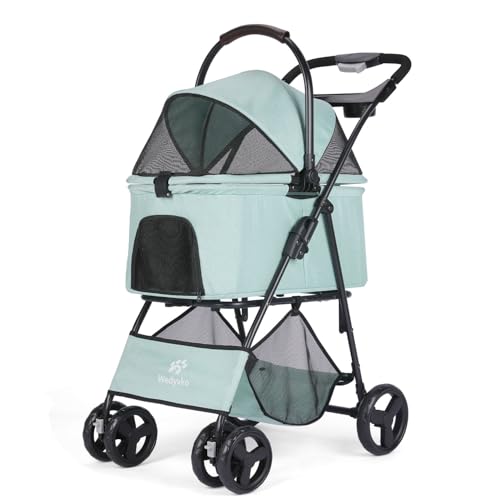
- linen
- 【Mesh Windows】There are 3 mesh entrances in front and back, with zipper switch for easy access, while ensuring good air …
- 【600D Oxford Cloth】The pet stroller is made of high-quality steel material, can accommodate about 33 pounds of cats and …
Puppy Biting Gear Comparison Table
| Product | Best For | Key Feature | Price Tier |
|---|---|---|---|
| GPCA Dog Leash Set PRO | Leash redirection during walks | Titanium carabiner, padded X-grip handle, durable stitching | $$$ |
| PHOEPET 6-Pack Rubber Tennis Balls | Solo chewing, fetch, high-energy Doodles | Bulk pack, textured rubber, lightweight | $ |
| AESRAOU 2 in 1 Pet Stroller | Low-impact outdoor stimulation | Folding design, dual-use jogger function | $$$$ |
| Freezer-friendly rubber teether | Sore gums during teething | Cold therapy, hollow center for treats | $$ |
| Bitter-spray deterrent | Protecting furniture and shoes | Bitter apple or citronella formula | $ |
Red Flags: When Puppy Biting Gear Isn’t Enough
Good puppy biting gear solves a lot of problems, but it’s not a cure-all. There are moments when the biting pattern signals something that needs actual training intervention rather than another chew toy. Watch for these red flags:
- Biting that draws blood repeatedly, even during calm play
- Growling or stiffening before or during a bite, rather than relaxed, playful mouthing
- Biting that escalates when the puppy is told “no” or redirected
- Resource guarding combined with biting (snapping over food, toys, or space)
- No improvement in bite intensity by 6 months of age despite consistent redirection
If you’re seeing any of these, puppy biting gear should be paired with structured training rather than used as a stand-alone fix. Adolescence (roughly 6 to 18 months) brings its own wave of testing behavior in Doodles, and the tools that worked at 10 weeks often need an upgrade. This roundup of best training tools for puppy adolescence is a solid next stop once your pup ages out of the early teething phase but is still testing boundaries with their mouth.
Working with a certified trainer or veterinary behaviorist is worth considering if biting intensity doesn’t taper off naturally. Doodles are smart, which means they’re quick learners, but it also means inconsistent handling can accidentally reinforce the wrong lessons. A few sessions with a professional often save months of frustration.
Building a Puppy Biting Gear Routine That Actually Works
The most effective approach isn’t buying one magic toy. It’s building a rotation. Keep two or three chew toys in regular use, one or two in the freezer, a bitter spray on hand for off-limits furniture, and a plan for redirecting hand-nipping the moment it starts. Consistency across every family member matters here too. If one person tolerates mouthing during play and another scolds for it, your puppy gets mixed signals and the behavior takes longer to fade.
Puppy biting gear works best when it’s paired with calm, predictable responses from everyone in the household. Over the span of a few weeks, most Doodle puppies show real improvement once they have reliable, satisfying alternatives to human skin and clothing.
What is the best puppy biting gear for a Doodle puppy under 6 months?
For puppies under 6 months, freezer-friendly rubber teethers and rope toys tend to work best because they soothe sore gums while providing a durable outlet for biting. Rubber tennis balls are also a great budget-friendly addition for active Doodle breeds that need extra chewing and fetch options.
Does puppy teething gear actually reduce biting?
Yes, in most cases. Puppy teething toys, especially cold ones, soothe inflamed gums and give puppies an appropriate outlet for the chewing urge, which naturally reduces how often they target hands, clothing, or furniture.
Are bitter sprays safe to use on puppies?
Bitter sprays made from bitter apple or citronella are generally safe when used on furniture, shoes, or cords, since they rely on taste rather than physical correction. They are not recommended for use directly on skin or clothing, since this can create confusing associations without resolving the underlying cause of biting.
When should I worry that my puppy’s biting is more than normal teething?
If biting draws blood repeatedly, is paired with growling or stiff body language, or doesn’t improve by 6 months despite consistent redirection and the right puppy biting gear, it’s a good time to consult a certified trainer or veterinary behaviorist.


